
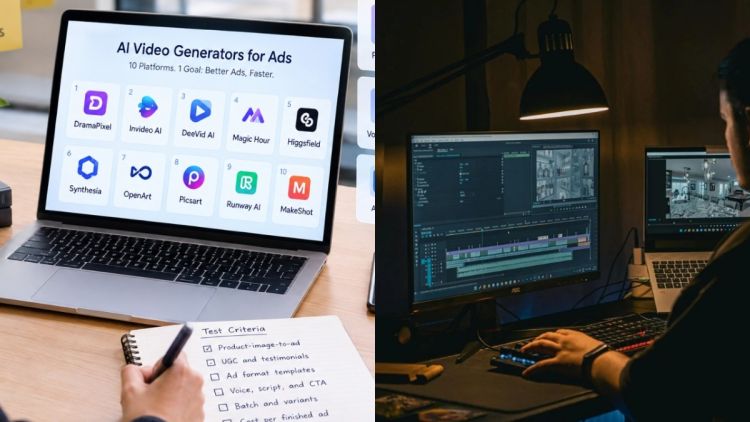
Every platform got the same job: one product image in, one finished 15-second ad out, then three variants for A/B testing.
In ad land, nobody hands out trophies for “most cinematic.” The scoreboard is CTR, view-through rate, and CPA. So the best AI video generator for marketers isn’t the one with the fanciest model. It’s the one that turns a product photo into a finished ad fastest, with the fewest “can we try that again?” loops, at a cost that won’t wreck your paid media budget.
We put ten platforms through the same ad-making gauntlet. Here’s how they did.
How we tested
We scored every platform on six things that actually matter for ad work:
The quick version
| # | Platform | Signature ad feature | Best for |
|---|---|---|---|
| 1 | DramaPixelTop pick | AI Video Ads mode + product-image-to-ad | Product ads & story-driven campaigns |
| 2 | Invideo AI | Script-to-ad with Magic Box + stock library | Script-driven ad pipelines |
| 3 | DeeVid AI | AI Ads module + agent iteration | Automated ad iteration |
| 4 | Magic Hour | UGC Ads + face swap + lip sync | Creator-face UGC ads |
| 5 | Higgsfield | UGC & Product Studios presets | Cinematic product ads |
| 6 | Synthesia | Avatar spokesperson ads + 160+ languages | Multilingual explainer ads |
| 7 | OpenArt | UGC Ad director mode | Multi-shot ad narratives |
| 8 | Picsart | Reeva agent + 140+ models | Multi-model ad testing |
| 9 | Runway AI | Aleph editing on product footage | Live-action ad enhancement |
| 10 | MakeShot | Bulk generation for ad variants | High-volume ad A/B testing |
Feature check at a glance
| Platform | Dedicated ad workflow | Product-image-to-ad | Spokesperson / avatar | Start & end frame control | Credits roll over |
|---|---|---|---|---|---|
| DramaPixel | ✓ | ✓ | ✓ | ✓ | – |
| Invideo AI | ✓ | – | ✓ | – | – |
| DeeVid AI | ✓ | ✓ | ✓ | – | – |
| Magic Hour | ✓ | – | ✓ | – | ✓ |
| Higgsfield | ✓ | ✓ | ✓ | ✓ | – |
| Synthesia | – | – | ✓ | – | – |
| OpenArt | ✓ | – | ✓ | – | – |
| Picsart | – | – | – | – | ✓ |
| Runway AI | – | – | – | – | ✓ |
| MakeShot | – | – | – | – | ✓ |
✓ = a standout feature in our test. Rollover applies to specific plans only (Magic Hour annual, Picsart add-on credits, Runway Max, MakeShot).
#1DramaPixel
Best for DTC brands, performance marketers, agencies cranking out product ads, and creators building story-driven paid social campaigns.
Most AI video tools are general-purpose generators wearing a “marketing” name tag. DramaPixel went the other way and built a dedicated AI Video Ads mode from the ground up.
You feel the difference within minutes. Ad mode already understands product photography, hook structure, and 15/30-second pacing. You don’t have to explain what an ad is in every single prompt. It just gets it.
How it works in practice
Upload a product image (or a few), and the AI Video Ads workflow builds a story-driven ad around it. Behind the scenes, smart model routing sends each shot to the model that handles it best:
- Veo 3.1 for stylized hero shots
- Kling V3 for realistic product motion
- Hailuo 2.3 for testimonial-style dialogue
- Wan 2.6 for restyling existing product footage
Everything else, in one workspace
- AI Avatar turns any portrait into a recurring spokesperson for talking-head ads
- AI Music adds royalty-free background scoring without leaving the platform
- 100+ ad templates covering product, lifestyle, testimonial, and hook formats
- Stylized character tools, including a superhero generator for bold, character-led brand work
- Cross-video character consistency, so the same face can return week after week in an episodic ad series
Every paid tier includes watermark-free export, private generations, and a commercial license. That last one is a big deal if your ads are headed for paid media.
Why it stands out
- A true ad mode, not a relabeled generator
- Product-image-to-ad works without hand-holding
- Start/end frames for planned reveals
- Avatar, music, and templates under one roof
Keep in mind
- Lite caps at 720p, tight for premium placements
- Credit cost varies with the model routed behind the scenes
#2Invideo AI
Best for marketers who want to hand over a brief and get back an ad.
Invideo is for people who’d rather write a brief than direct a shoot. Type a rough campaign idea into the Magic Box, and it hands back a finished ad: script, footage, voiceover, subtitles, and music, all stitched together. Then revise in plain English, like “shorten the hook” or “swap the CTA voice.” It’s basically briefing a very fast junior editor.
Voice support covers 50+ languages via Eleven Labs and Minimax, and a stock library of 16 million assets from iStock and Storyblocks fills any gaps. Models include Veo 3.1, Seedance 2.5, Kling 3.0, Sora 2, Pixverse, Wan 2.7, and Hailuo.
Why it stands out
- Truly hands-off from brief to ad
- Massive stock library
- Strong multilingual voice
Keep in mind
- Credits expire monthly, no rollover
- Less shot-by-shot control
#3DeeVid AI
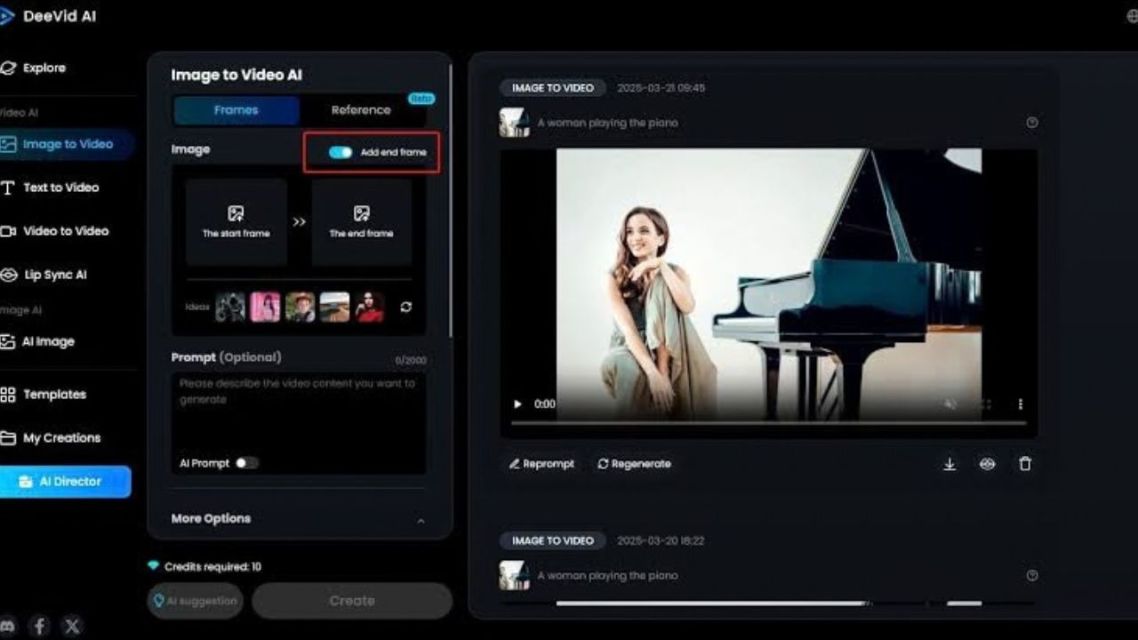
Best for performance teams running high-volume iteration with an agent doing the busywork.
DeeVid’s big idea is letting an AI do the babysitting. Its AI Ads module pairs with an AI Director agent that runs the whole loop on its own: generate, evaluate, tweak, repeat. If nobody on your team has time to watch a render queue, this one’s for you.
You also get AI Avatar for spokesperson clips, TTS with lip sync, and multimodal input (text, image, video, audio). Pricing math is refreshingly simple: 8 credits per video, 4 per music track, 1 per voice clip. Models include Sora 2, Veo 3.1, Wan 2.1, Runway, Kling, Hailuo, Vidu, Haiper, Luma, and Pika.
Why it stands out
- Agent-driven iteration
- Predictable per-ad costs
- Audio prompts as input
Keep in mind
- No 1080p on Lite
- Less granular scene control
#4Magic Hour
Best for brands running creator-style UGC ads on TikTok, Reels, and Shorts.
On TikTok and Reels, the ads that win often don’t look like ads at all. That’s Magic Hour’s specialty. Face swap, lip sync, and voice cloning work together to make clips that feel like a real creator shot them on their phone.
You get a dedicated UGC Ads workflow, lip-sync audio input for testimonials, and Sora 2 access with clips up to 60 seconds. Other models include Kling 3.0/2.5, Veo 3.1, LTX 2.3, Wan 2.2, and Seedance 2.0.
Why it stands out
- UGC realism is the whole point
- 60-second Sora 2 clips for longer testimonials
- Annual credits roll over, never expire
Keep in mind
- Free tier too limited for real ad work
- Less range for cinematic product spots
#5Higgsfield
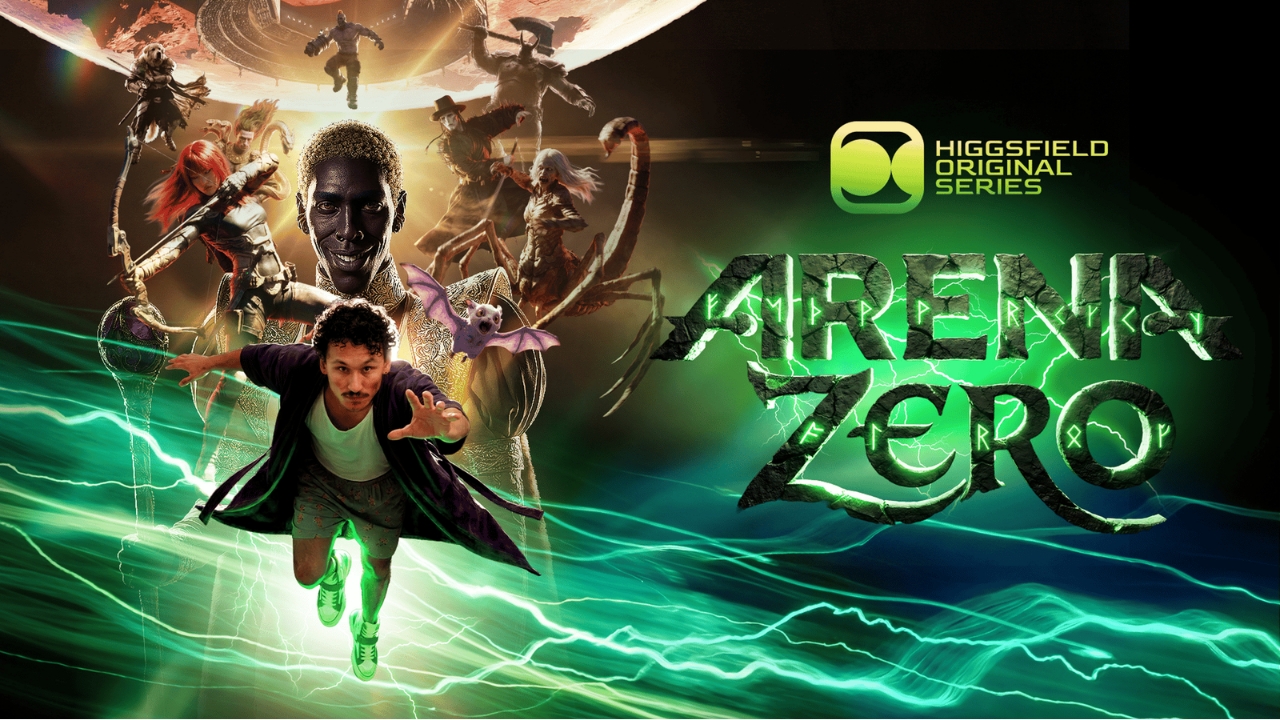
Best for premium brands and agencies chasing cinematic-quality product ads.
Want ads that look like a big-budget camera crew shot them? Higgsfield’s UGC Studio and Product Studio presets, plus Cinema Studio 4.0 with lens simulation, deliver polish that doesn’t scream “AI prompt.”
Soul ID locks a spokesperson’s identity, first-and-last-frame reference choreographs product reveals, and you can stack up to three camera moves in one generation. Models include Seedance 2.0/2.5, Kling 3.0/o1, Sora 2, Veo 3.1, and Wan 2.7.
Why it stands out
- Cinematic polish
- Time-saving preset studios
- Stacked camera moves feel premium
Keep in mind
- Steeper learning curve
- Starter locks out Seedance 2.5
#6Synthesia
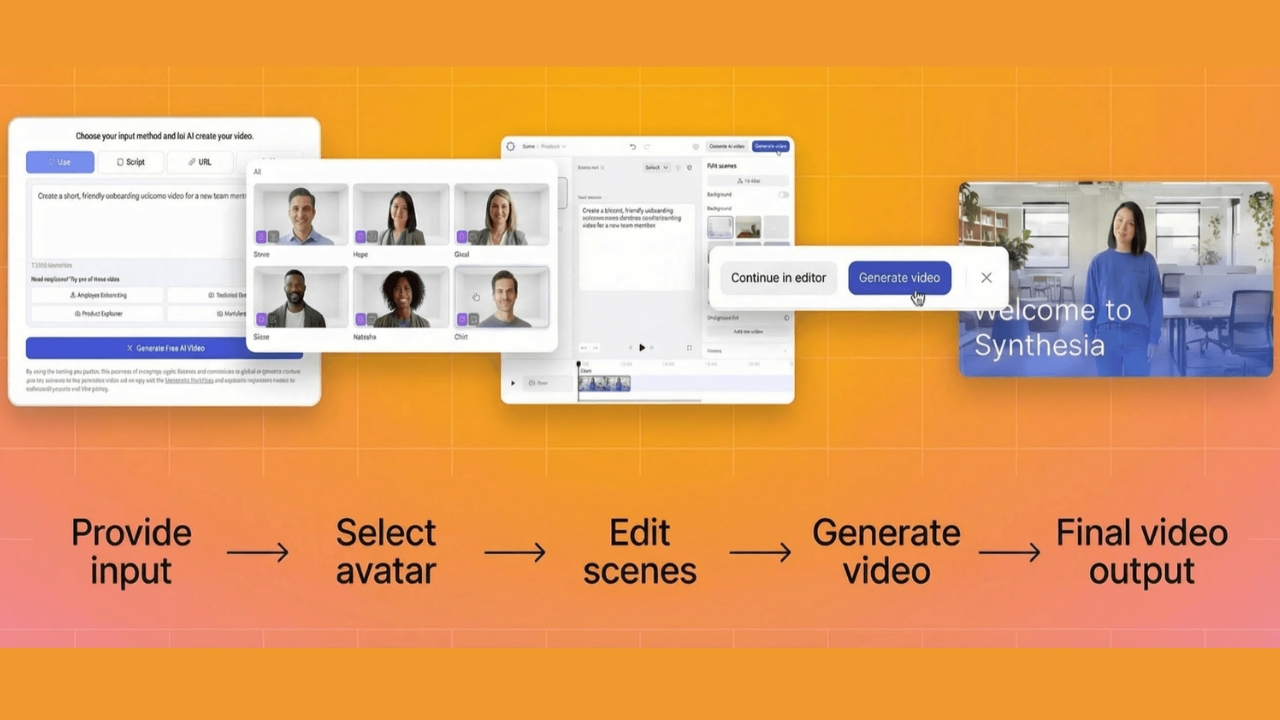
Best for SaaS and enterprise brands making multilingual explainer and landing-page ads.
Launching globally? Write one script and get avatar-delivered ads in 160+ languages, with the voice preserved across every dubbed version. For localized paid media, that’s a huge shortcut.
Choose from 240+ preset avatars or make a personal digital twin, set up two-avatar dialogue scenes for testimonials, and add clickable CTAs and branching paths for landing pages. The Playground brings in Veo 3 and Gemini Omni for supporting B-roll.
Why it stands out
- Best-in-class multilingual spokesperson ads
- Interactive CTAs for landing pages
- Rock-solid avatar consistency
Keep in mind
- Not built for cinematic or action ads
- Framing stays presenter-style
#7OpenArt
Best for brands building multi-shot ad stories around a recurring character.
Some ads need more than one shot to land. OpenArt’s UGC Ad director mode plans a hook, a product beat, and a CTA as separate generations, while Character Builder keeps your spokesperson the same person throughout.
OpenArt Worlds gives you reusable brand environments, and Seedance 2.5 exports 30-second clips at 1080p with native audio. Models include Veo 3.1, Kling 3.0, Sora 2, Wan 2.7, LTX 2.3, PixVerse V6, and Vidu Q3.
Why it stands out
- Real multi-shot storytelling
- Persistent characters
- High parallel-task counts
Keep in mind
- Starter restricts commercial use
- Credit burn varies by model
#8Picsart
Best for performance teams comparing one ad concept across lots of models.
Not sure which model will nail your concept? Try them all. With 140+ models and the Reeva agent handling reels, you can A/B test one idea across multiple models before committing media spend. Marc handles scene direction.
Models include Veo 3.1, Runway Gen-4/4.5/Aleph, Kling v2.5–3.0, Seedance 1 Pro/2/2.5, Sora 2/2 Pro, Luma Ray 2, Pika, and Wan. Failed generations get refunded within 24–48 hours, and MCP + CLI support makes scripted ad pipelines possible.
Why it stands out
- Widest model catalog
- Scripting via MCP + CLI
- Refunds on failed generations
Keep in mind
- Monthly credits expire each cycle
- Pro video caps limit heavy testing
#9Runway AI
Best for brands polishing real product footage instead of generating from scratch.
Already shooting real product footage? Runway doesn’t replace it, it upgrades it. Aleph 2.0 relights product shots, swaps backgrounds, and cleans up small flaws in live-action footage with simple prompts.
Gen-4.5 handles generative shots, Character References work across 10-shot sequences, and Pro adds voice cloning. Lyria 3 and Seed Audio 1.0 cover music and dialogue.
Why it stands out
- Upgrades real footage
- 16-bit HDR and ProRes meet broadcast specs
- Voice cloning for vocal brand identity
Keep in mind
- Aleph editing eats credits fast
- No dedicated ad templates
#10MakeShot
Best for performance teams running high-volume A/B tests.
Every ad stack needs a variant machine. With credit rollover and unlimited mid-tier generation on the top plan, pumping out 20 to 30 versions of one ad won’t have you nervously watching the meter.
Models include Veo 3/3.1 Lite/Basic/Premium, Kling 2.5/2.1 Pro/Master, Seedance 2.5 SOTA/1.5 Pro/2.0, Wan 2.5/2.7/3.0, Runway Gen 4, Grok Imagine Video, LTX 2.5 Fast, and MiniMax H3. Image models help build product reference sheets for iteration.
Why it stands out
- Unlimited mid-tier generation
- Credit rollover
- Broad model catalog
Keep in mind
- No templates or director mode
- SOTA models use a separate pool
UGC realism vs. cinematic polish
These are two different jobs. Pick based on where your ad will run.
So, which one should you pick?
You sell physical products and want story-driven ads from product photos
DramaPixel
You’d rather write a brief than direct every shot
Invideo AI
You want an agent to iterate for you
DeeVid AI
You need creator-style UGC for TikTok
Magic Hour
You’re localizing one explainer into 15 languages
Synthesia
You’re pushing 20 to 30 variants a week
MakeShot
What we learned
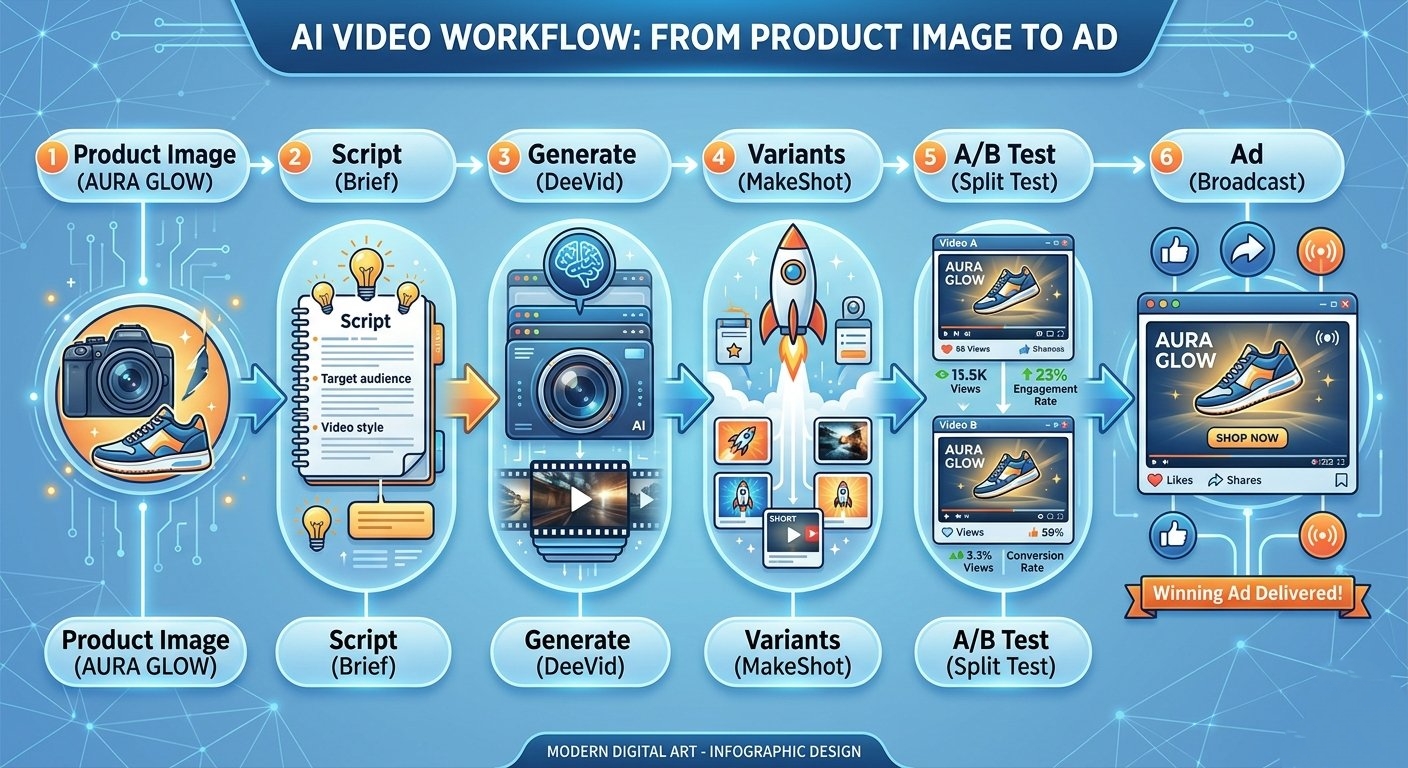
Dedicated ad modes beat repurposed generators. DramaPixel’s AI Video Ads, Invideo’s Magic Box, DeeVid’s AI Ads, and OpenArt’s UGC Ad Director all treat ad structure as something they already understand. With prompt-only tools, you rebuild the workflow every single campaign.
Product-image-to-ad is the biggest time saver. DramaPixel’s product-image flow, Higgsfield’s Product Studio, and DeeVid’s AI Ads module let you skip describing your product in text, which is exactly where most prompt-based ad generation falls apart.
Going global? Language support matters. Synthesia’s 160+ language dubbing, Invideo’s 50+ language voices, and DramaPixel’s commercial license across all paid tiers each solve a different piece of the international campaign puzzle.
Variant volume is the underrated superpower. MakeShot’s credit rollover, OpenArt’s parallel tasks, and Picsart’s failed-generation refunds all cut the cost of that 20-variant A/B test that usually uncovers your winner.
The verdict
Ad video is where AI generation shows its clearest ROI, and DramaPixel earns the top spot by treating ads as their own workflow: product-image-to-ad, story-driven structure, planned reveals with start/end frame control, plus avatar, music, and templates in one workspace. It’s built for the job, not adapted to it.
Invideo AI wins for hands-off script-to-ad pipelines. DeeVid shines at agent-driven iteration. Magic Hour owns UGC realism.
Model access has pretty much evened out across the industry. What separates an ad that converts from a wasted generation is the workflow wrapped around those models. And in 2026, ad-specific workflows have finally grown up enough to trust with real media spend.