

A brilliant content idea rarely hits you when you are sitting at a desk with a full production setup. More often, it strikes while you are commuting, scrolling through old camera roll memories, venting to a friend, or typing a late-night note into your phone.
The hard part isn’t having the idea—it’s turning that fleeting spark into something tangible before the feeling fades. For young creators making short-form videos, video diaries, or aesthetic social posts, the right music makes an idea feel personal and unforgettable. Today, tools like AI Song make it entirely possible to describe a mood and instantly generate an original track. It is a massive creative unlock for anyone who has a story to tell, even if you have never touched a musical instrument in your life.

Your Daily Routine is a Goldmine for Ideas
There is a common misconception that a song has to stem from a massive, dramatic life event. In reality, the smallest observations often make the best music.

A great song can begin anywhere-canva via canva.com
The sound of rain hitting the window of your boarding house, the awkward silence after a friendship shifts, the jittery excitement before your first day at work, or the quiet relief of riding the train home after a long week—these are perfect musical starting points.
The secret is to focus on what makes the moment specific. Saying “I feel sad” is too broad. Saying, “I walked past the café where we used to hang out, but the chairs were already stacked for closing,” gives the emotion a vivid image, a setting, and a sense of time. These specific details are exactly what help AI tools generate a track that feels deeply personal rather than generic.
The 3-Step Formula for First-Time Creators
If you have a short paragraph, a few lines of lyrics, or just a list of vibes, you have enough to get started. Here is how to capture that emotional center:
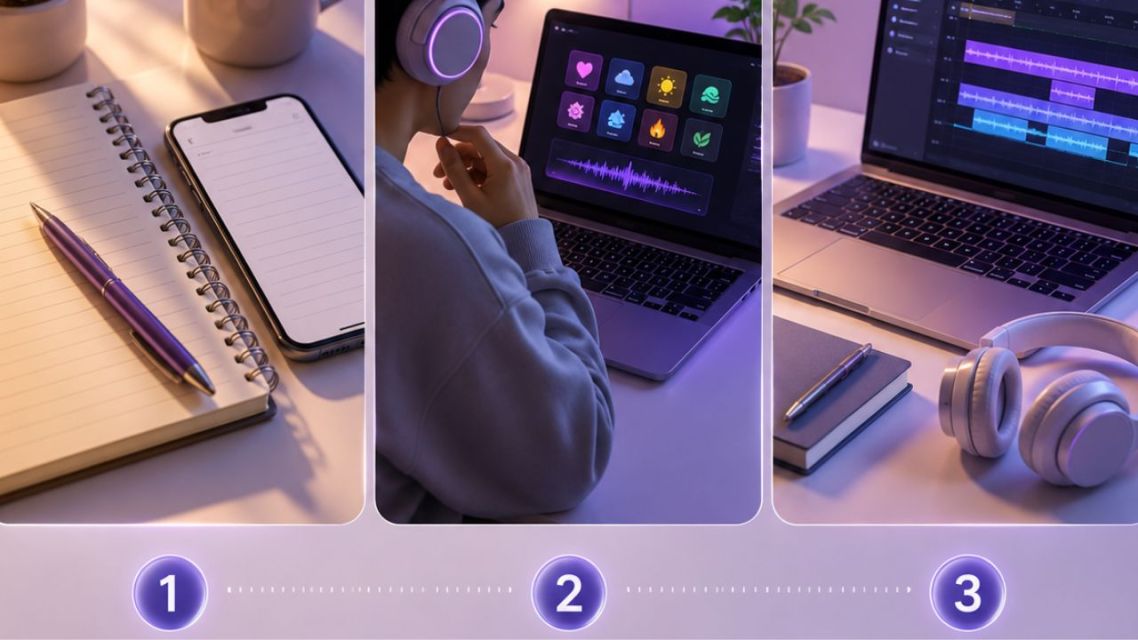
Turn simple ideas into original music with a clear three-step creative process-canva via canva.com
-
Write the Moment Before You Write the Song: Start by describing what happened in plain, everyday language. Where were you? What changed? Why did it stick with you? Don’t stress about rhyming or perfect poetry. A simple note like, “I moved into a new room and everything feels alien, but the morning light makes me feel like I can start over,” already contains a beautiful contrast between uncertainty and hope.
-
Decide How the Listener Should Feel: A story can be told in a dozen different ways. That “moving away” experience could be a quiet acoustic ballad, a moody electronic beat, or an energetic indie-pop anthem. Before you generate anything, pinpoint the emotional destination.
-
Treat the First Version as a Rough Draft: Your first output might have a gorgeous melody but a dramatic chorus, or a perfect tempo but the wrong vocal style. Listen for the pieces worth keeping. Improve the result one element at a time—tweak the mood, simplify the prompt, or adjust the arrangement until it perfectly matches your vision.

5 Everyday Scenarios You Can Soundtrack Today
-
The Personal Video Diary: Give your weekly vlog a consistent audio signature. A light, familiar instrumental theme at the beginning and end of your videos builds instant recognition.
-
The Friendship Time-Capsule: Photos and clips from a friendship carry emotions that captions just can’t capture. A short song based on an inside joke, a shared phrase, or a favorite hangout spot makes a birthday edit or farewell video hit much harder.
-
The Study or Work Routine: Not every track needs a vocalist. Warm, steady, and lightly rhythmic instrumentals are perfect for desk-setup tours, reading sessions, or calm productivity reels.
-
The Small Business Story: If you sell crafts, food, or digital products, original music makes your brand stand out. A handmade jewelry shop might use bright, playful percussion, while a local coffee roaster might lean into relaxed acoustic guitars.
-
The Original Character Concept: Writers, illustrators, and roleplayers can generate theme songs for their fictional worlds. Describing a character’s conflict and environment to an AI generator might even inspire your next visual scene.

Give every scenario and story its own unique signature track-aisong.org via aisong.org
The Secret to Dodging “Generic” Results
The fastest way to get generic music is to write a generic prompt. To get the best results from an AI Music Generator, your prompt needs to answer four questions: What is it about? What should it feel like? What is the genre? Where will it be used?
Instead of copying the style of a specific famous artist, describe the musical textures you want to hear.
Prompt Comparison Guide
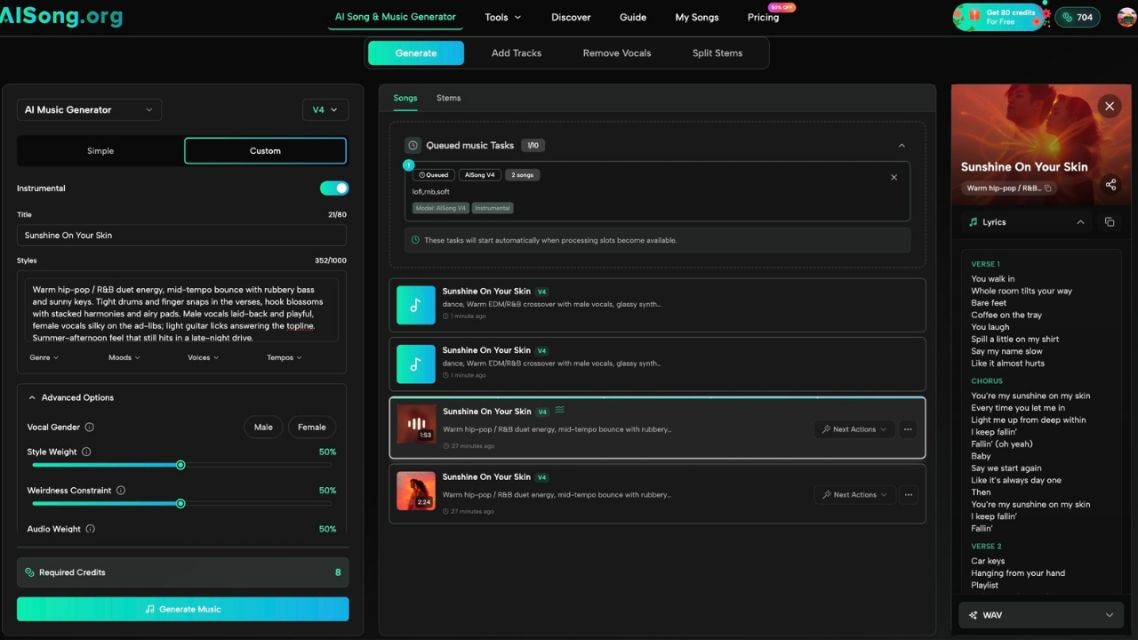
A detailed prompt helps AI generate music that feels more personal and unique-aisong.org
| Prompt Type | Example | Why It Works (or Doesn’t) |
| The “Meh” Prompt | “Make a pop song about graduating.” | Too broad, lacks emotional direction and specific stylistic cues. |
| The “Wow” Prompt | “A warm indie-pop song about two friends taking the last bus home after graduation. Nostalgic but not sad, featuring intimate vocals, a gentle acoustic opening, and an open, hopeful chorus.” | Gives the AI a clear emotional arc, specific instrumentation, and a distinct vibe. |
Keep Your Best Ideas Organized
Keeping your music ideas organized makes every creative spark easier to revisit-aisong.org
Creative energy is much easier to sustain when your workspace is organized. Save the prompt, title, intended mood, and use-case for every promising track you generate.
Platforms like AI Song include a built-in music library to help you manage your pieces and review your creation details. Over time, you will notice patterns in your taste—maybe you lean toward specific tempos, dreamy synths, or conversational lyrics. These preferences naturally become your unique creative signature.
Remember: You Are Still the Creator
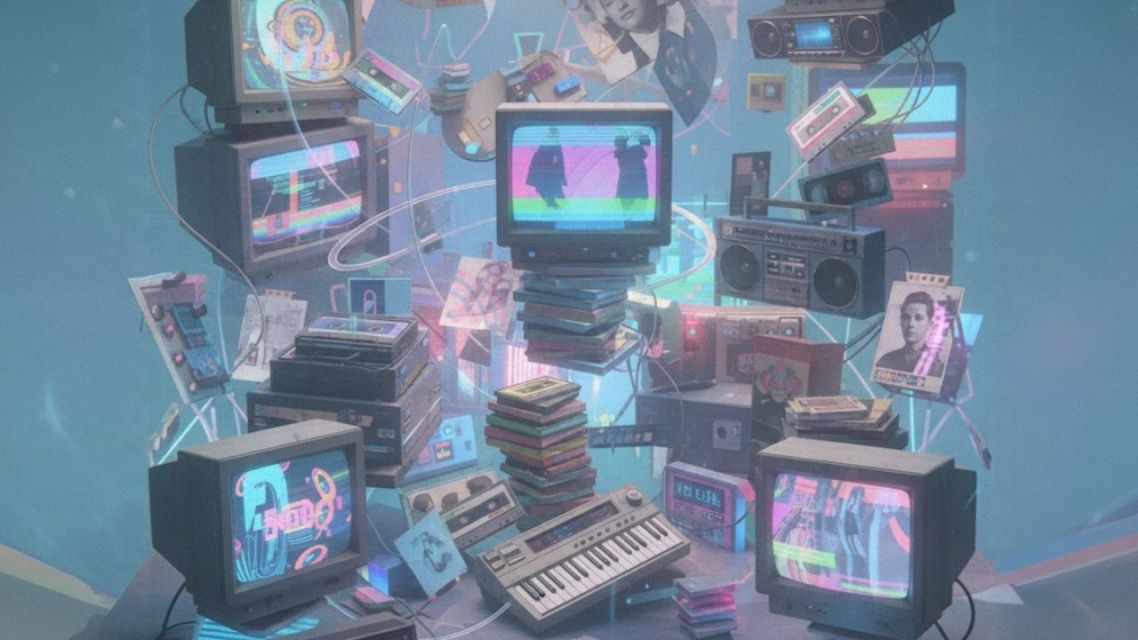
AI provides the tools, but your ideas and creative vision shape the final music-aisong.org via aisong.org
Using AI does not mean just clicking a button and accepting whatever comes out. Your creative fingerprint is all over the process: the story you choose to tell, the specific details you feed the prompt, the drafts you reject, and how you ultimately pair the final track with your visuals and timing.
Original music doesn’t require an expensive studio anymore. It can start with a sentence about a bus ride, a new room, or a feeling you refuse to forget. Pick one random note from your phone today, and see what kind of soundtrack it can become.