

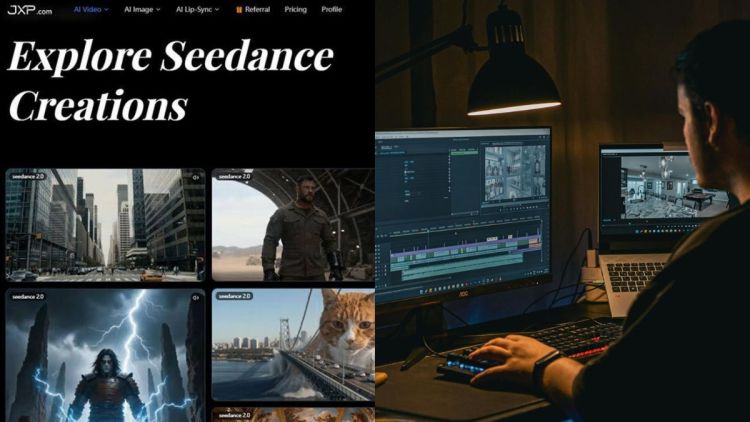
Short-form video has become part of everyday online life.
Students use it to share ideas. Small business owners use it to promote products. Creators use it to tell stories, explain trends and build personal brands. Even simple posts often need a moving visual now, because audiences are used to content that feels fast, clear and easy to watch.
The problem is that making video still takes effort.
A short clip may need a concept, images, motion, sound, editing and several revisions. For people who create content after class, after work or alongside a small business, that can feel like too much. A good idea may stay in the notes app because turning it into a video takes more time than expected.
AI video tools are starting to change that. They can help creators move from a rough idea to a visual draft faster. One example is Seedance 2.0, an AI video generator built around text, image, audio and video references. It supports motion control, visual consistency, audio-video output and targeted refinement, which makes it useful for people who want more control than a basic prompt can offer.
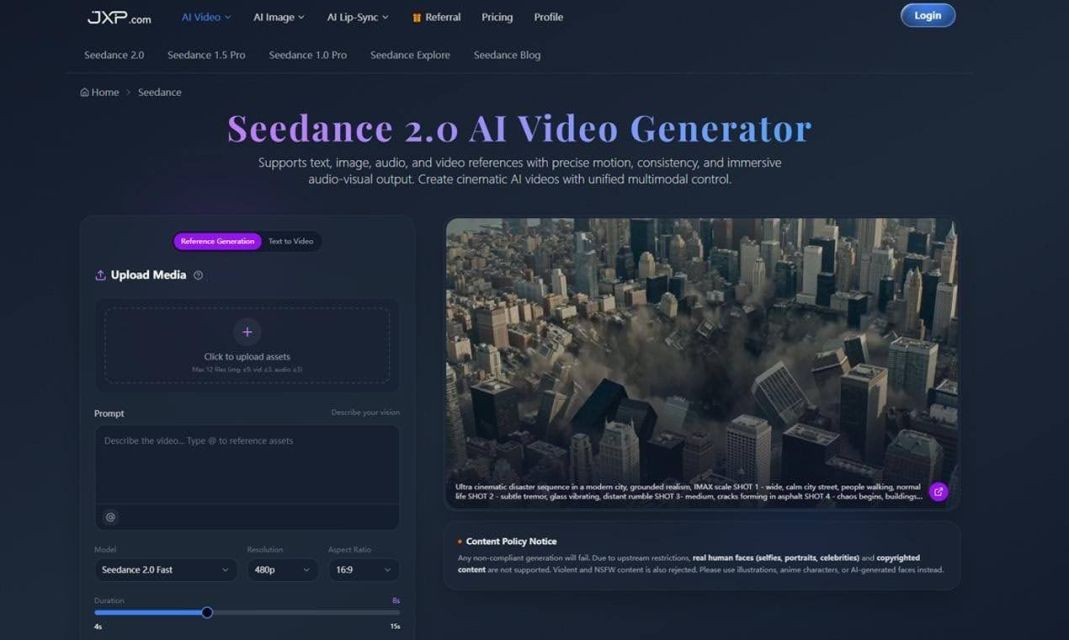
Photo by jxp.com
Why Short Videos Need a Faster Starting Point
Many creators do not struggle with ideas. They struggle with the first version.
Someone may already know the story they want to tell. A small brand may already have product photos. A student may already have a concept for an explainer. A creator may have music, a moodboard or a short script. The hard part is turning those materials into a video that can be reviewed and improved.
That first draft matters because it makes the idea real.
When a video exists, even in rough form, it becomes easier to judge. Is the pacing right? Does the mood fit? Does the product look clear? Does the opening frame make people want to keep watching?
AI video can help creators reach that point faster. It does not remove creativity. It gives the idea a shape.
Why References Are Better Than Guessing
Prompt-only video generation can be fun, but it can also feel unpredictable.
If a creator only types a short sentence, the tool has to guess too much. It may create a clip that looks nice but does not match the intended style, product or story. That is why reference-based creation is useful.
Seedance 2.0 allows users to work with text, images, audio and video references. A product photo can guide what appears in the scene. A short video can guide motion. Audio can shape timing. A prompt can explain the mood, camera movement and atmosphere.
This makes an AI video generator more practical for everyday creators. It lets them start with materials they already have instead of asking the model to invent everything from zero.
Useful for Students, Small Brands and Creators
AI video can fit into many small creative workflows.
A student making an educational post can turn a lesson idea into a short visual explanation. A food seller can create a simple product teaser from a menu photo. A fashion reseller can test a mood video before posting a new collection. A creator can build a cinematic intro for a vlog, review or storytime video.
Small teams can also use it to test content before spending money on production. For example, a brand may want to compare two visual directions for a campaign. Instead of waiting for a full shoot, the team can create short drafts and choose the stronger direction.
The best use is not always the final video. Sometimes the most useful output is a draft that helps people decide what to do next.
Motion Makes Ideas Easier to Feel
Some ideas are hard to explain with a still image.
A mood, transition, camera movement or beat-matched clip often needs motion before it makes sense. This is especially true for social content, where the first few seconds decide whether someone keeps watching.
Seedance 2.0 focuses on motion control, consistency and audio-visual output. It also supports workflows such as extending existing clips, merging multiple videos with transition logic and refining small sections without rebuilding the entire project.
That flexibility is useful because the first draft rarely lands perfectly. A clip may need slower motion, a clearer product shot, a smoother transition or a better ending. Being able to refine the strongest version helps creators avoid starting over again and again.
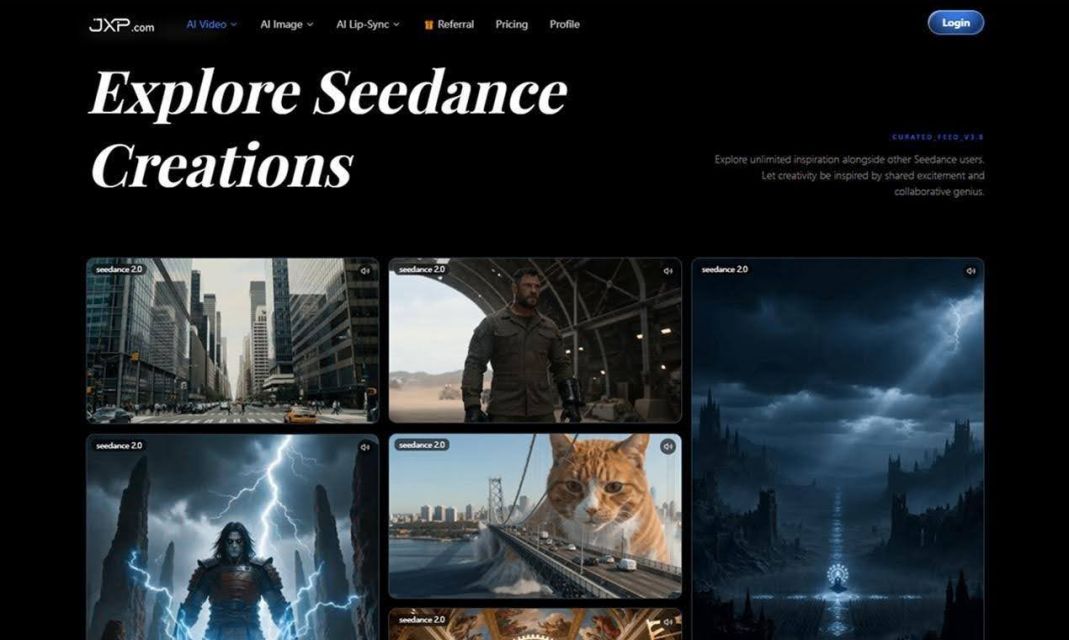
Photo by jxp.com
A Simple Way to Use AI Video
Creators can get better results by keeping the process simple:
- Start with one message or story.
- Choose the platform first, such as TikTok, Reels, Shorts or a website.
- Upload approved images, audio or reference clips.
- Write a prompt that explains the mood, motion, lighting and pacing.
- Generate a short draft first.
- Review the clip for clarity, style and consistency.
- Refine the best version instead of generating random variations endlessly.
This kind of workflow keeps the tool useful. It helps creators stay focused on the message, not just the effect.
Responsible Use Is Still Important
AI video should still be used carefully.
Creators should avoid uploading copyrighted material unless they have permission. They should also be careful with real human faces, celebrities or anything that might mislead viewers. The Seedance 2.0 page includes a content policy notice explaining that real human faces, copyrighted content, violent material and NSFW content are restricted.
This is especially important for creators who publish on public platforms. A video can look polished but still create problems if the source material is not appropriate.
Good content is not only about looking impressive. It should also be honest, clear and respectful of rights.
A New Creative Layer
AI video is not replacing the creator. It is becoming another layer in the creative process.
For everyday creators, that layer can be useful. It helps turn notes, images, audio and references into moving drafts. It gives small teams a way to test ideas before spending more time. It helps people see whether a visual direction actually works.
That is why cinematic AI video is becoming relevant beyond professional studios. It gives more people access to motion, mood and storytelling tools that used to require more time and production support.
The strongest creators will still need taste, timing and a clear point of view. AI can make the first draft easier, but the decision about what feels right still belongs to the person making the content.
For students, small brands, creators and side-hustlers, that may be the biggest change: video no longer has to begin with a full production plan. It can begin with an idea, a few references and a faster way to see what the story could become.
Artikel Bermanfaat dan Menghibur Lainnya



Tim Dalam Artikel Ini