
It’s a familiar kind of disappointment. The listing made the living room look wider, brighter, and calmer than the room you actually walk into. Nobody has to be running a scam for that gap to appear. A wide lens, every lamp switched on, and a one-day tidy-up can make an ordinary home look like a slightly different place.
If you are selling or renting, that gap is your problem as much as the viewer’s. People who feel misled do not linger, and they rarely give the kitchen a fair chance once the first room has already let them down. The aim is not a dull, gloomy set of photos. It is a set that still belongs to the same home once someone is standing in the doorway.
Start with the house, not a filter
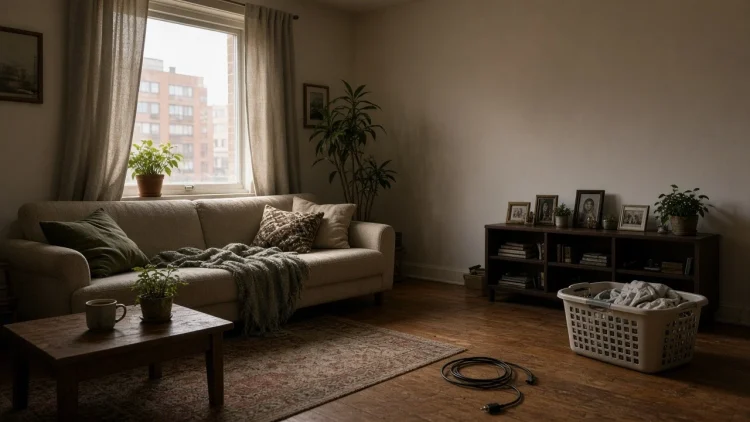
The most useful changes happen before anyone opens a file. Open the curtains and shoot when the rooms already have decent daylight. Turn on the lamps you would actually use, but do not add extra lights just for the camera. Clear the table, take down the drying rack, move the shoes, and put cables and the laundry basket out of the frame. If you would rather not have strangers studying your shelves, take the family photos down.
If a bin, a parked car, or a grey sky is still in the way, ArchyBase is built to work on the original listing photo rather than invent a new picture of the house. You upload what you already have, and the walls, windows, and camera angle are meant to stay where they are.
The earlier, boring jobs still matter more than any later trick. A clean room looks like your room. An over-processed one often does not. Temporary clutter and a dull sky are one kind of problem. A living room that seemed to grow after the photos were taken is another. Viewers often forgive a brighter sky. They do not forgive a room that feels smaller in person.
What is fair to fix
Think in two columns. In the first are problems that are temporary, accidental, or about the photograph rather than the property: a bin, a power cord, a gloomy exposure, a white balance that turned the walls slightly green, a grey sky over an otherwise accurate exterior. Cleaning those up helps a viewer see the home. It is close to what a careful photographer would have waited for, or come back to reshoot.
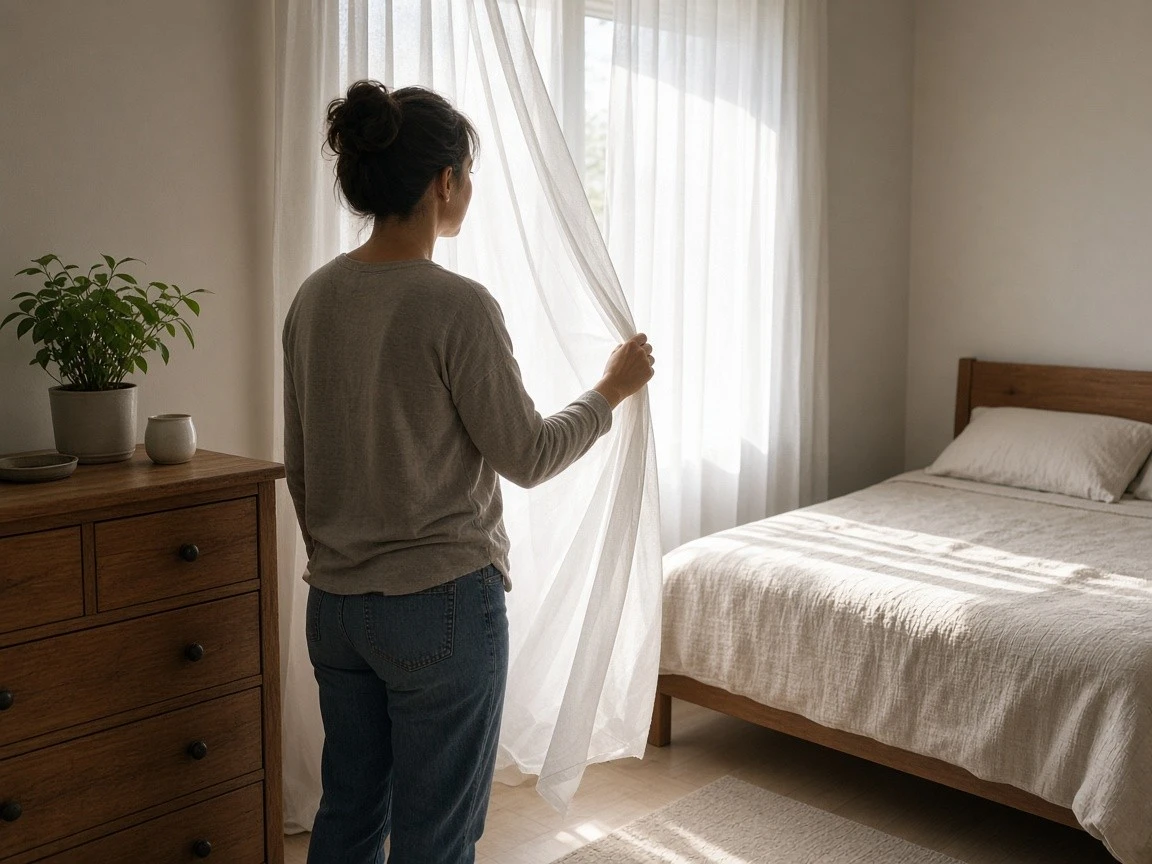
Opening the curtains before shooting gives honest, natural light | ArchyBase
The second column is everything that changes what the house is: a wider-looking room, a lawn that looks like a different season, a carpet that will still be dated on viewing day, a kitchen that appears empty of the storage clutter a buyer will later discover. Those changes may make a prettier picture. They also set the viewing up to fail.
Fair to fix
✓Bins, cords, parked cars, and other temporary objects
✓Gloomy exposure or a green-tinted white balance
✓A grey sky over an otherwise accurate exterior
Leave alone
✕Making a small room look wider
✕A lawn or garden from a different season
✕Dated finishes you are not replacing before viewings
If a photo is already almost right, ai real estate photo editing can stay in that first column. You can paint over clutter, cords, cars, trash bins, family photos, or power lines and have the floor, wall, lawn, or sky continued behind them. You can brighten and balance exposure, correct white balance, or replace a grey sky with blue. You can also relight a whole frame with scene presets such as blue-sky day, golden hour, twilight, bright airy daylight, warm evening, or lush summer, including a day-to-dusk exterior when a second shoot is not realistic.
That is a lot of power, which is why the second column still matters.
ADVERTISEMENTS
What you should leave alone
Do not use editing to invent a version of the home that will collapse on arrival. If a room is small, do not keep stretching the sense of space. The editing should keep the structure of the shot, and you should keep that promise in the way you use it. If a carpet is dated and you are not replacing it before viewings, be careful about painting a new one into the photo unless you say so.
Swapping a sofa or showing a wall as freshly painted can be useful when you are presenting a possible refresh, but that is no longer a straight record of the house. If the change is closer to staging or a proposed finish, say so in the listing.
The same caution applies to relighting. Twilight and golden hour can make a facade look wonderful. But if the rest of the set is filled with rooms that feel equally cinematic, a visitor walking in at ten in the morning may feel the same letdown as someone who has been shown a wider room than the one that exists. Use a dramatic preset for a single hero exterior if you need one, and keep the rest of the photos closer to the light a person will actually see.
If an agent or photographer is publishing the set, tell them which frames were cleaned of temporary objects and which ones, if any, show a proposed finish. A short note in the listing is easier than explaining a surprise at the door.
A simple order of work
Work in a fixed order so you do not fix your way into a different property.
1. Clean and shoot in honest light
The bedroom photo gets better when the curtains are open and the bed is made, not when the walls are later pushed toward a brightness the room never gets. Rentals need this just as much as sales: a tenant will live with the real morning light, not with the version in the advert.
2. Pick the frames that already describe the rooms well
A slightly imperfect photo of the real kitchen is more useful than a glowing one of a kitchen that feels unfamiliar. Hallways, bathrooms, and the view from the entry are the frames that most often surprise people in person, so they are worth photographing carefully rather than hiding.
3. Fix only distractions and photographic problems
Remove what a viewer would not encounter on a normal day, and correct exposure, color, a washed-out sky, or a bin you could not move.
4. Leave the structure alone
Doorways, window sizes, and the camera’s viewpoint should still match the walk-through.
5. Label any changed furniture or finishes
A virtually staged or proposed look is not a lie if you say what it is. It becomes a problem when it is presented as the house as it stands.
You do not need to install a special app for this kind of cleanup, because the editing described above runs in a browser. If one pass is not enough, it is better to continue on the same photo and fix the next small thing than to ask for a total transformation in a single step.
People do not need a fantasy of the home. They need to trust that the place in the pictures is the one with the keys.
ADVERTISEMENTS