

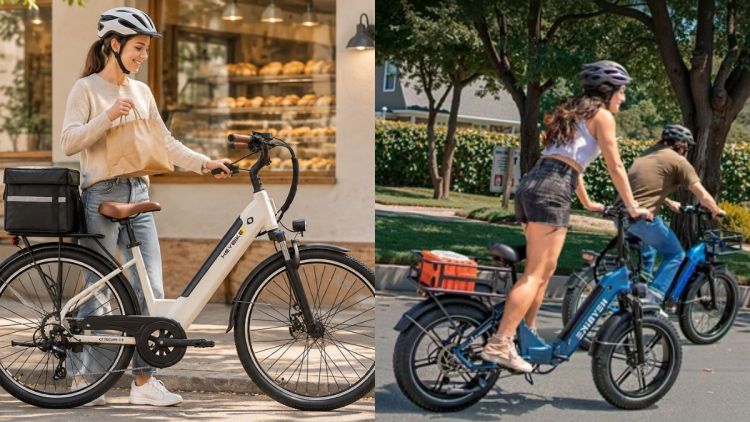
As online shopping continues to grow, urban delivery services face a familiar set of challenges: traffic congestion, limited parking, rising fuel costs, and increasing pressure to reduce emissions. Traditional delivery vans remain essential for transporting large shipments, but they are not always the most practical option for short-distance deliveries in crowded city centers.
This is where electric bikes are gaining attention. With pedal assistance, flexible cargo configurations, and relatively low operating costs, e-bikes offer businesses another way to move smaller shipments through busy urban areas.
Why Electric Bikes Are Revolutionizing Urban Delivery Network
From improving route flexibility to reducing day-to-day expenses, electric bikes for urban delivery can provide several advantages for courier companies. Here are five ways they are changing the way businesses approach last-mile logistics.
1. Navigating Traffic and Finding More Flexible Routes

Traffic congestion is one of the biggest challenges for urban delivery services. During peak hours, delivery vans can spend a significant amount of time moving slowly through crowded streets. This can make it harder for businesses to meet delivery schedules, particularly when drivers have several stops along the same route.
Electric bikes offer a more flexible alternative for certain types of deliveries. Their compact size allows riders to navigate streets and designated cycling routes that may be difficult for larger vehicles to access. In cities with suitable cycling infrastructure, couriers can also use bike lanes where local regulations permit.
Parking is another consideration. Finding a suitable space for a van near a delivery address can take time, especially in busy commercial districts. Depending on local parking rules, couriers may be able to secure a legal parking spot closer to their destinations when using an electric bike.
These advantages can make e-bikes particularly useful for short-distance deliveries in dense neighborhoods, business districts, and other areas where vehicle traffic is unpredictable.
ADVERTISEMENTS
2. Carrying More with Specialized Cargo Designs
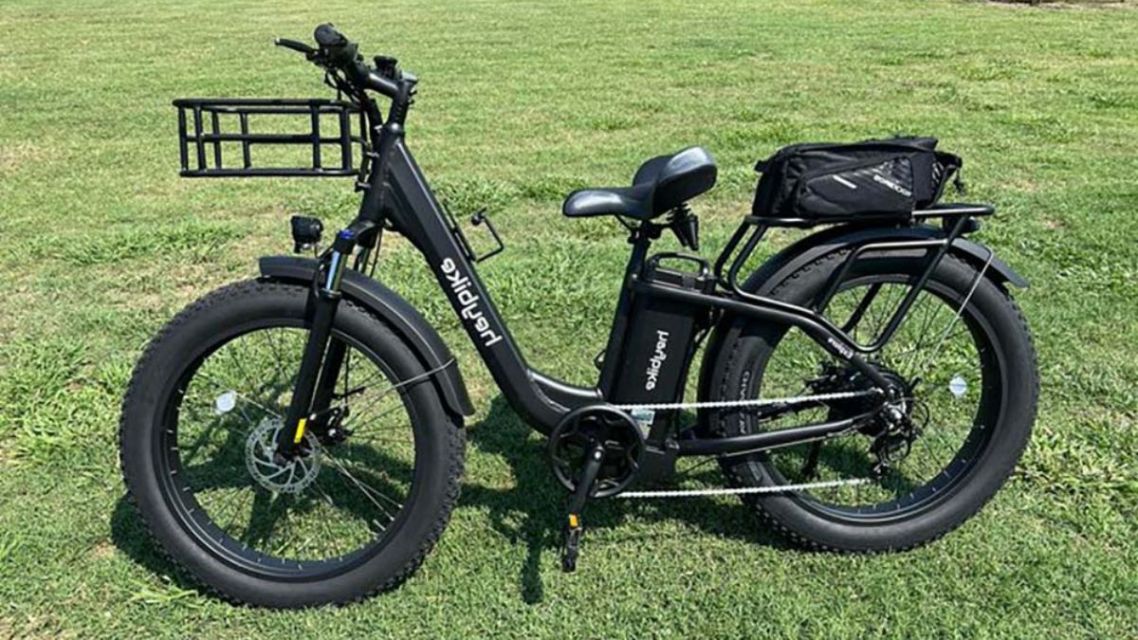
A common misconception is that electric bikes are only suitable for carrying small personal items. However, cargo e-bikes are designed specifically to transport goods, making them a practical option for certain commercial delivery operations.
Depending on the model, these bikes can feature:
- Large front or rear cargo racks: Useful for carrying packages, food containers, and other smaller shipments.
- Extended rear platforms: Provide additional space for larger or heavier loads.
- Cargo boxes: Help protect deliveries from weather and keep items organized.
- Longtail frames: Offer an extended rear section that can accommodate larger cargo configurations.
Some heavy-duty cargo e-bikes can carry substantial loads, although their maximum payload varies by model. Businesses should check the manufacturer’s specifications and account for the rider’s weight when calculating the total load.
For example, restaurants may use cargo e-bikes to deliver multiple food orders within a limited area. Grocery businesses can also use them for smaller shopping orders, while courier companies may find them useful for transporting documents and parcels.
The key is choosing a bike with a cargo configuration that matches the business’s actual delivery requirements.
3. Lowering Operating and Maintenance Costs
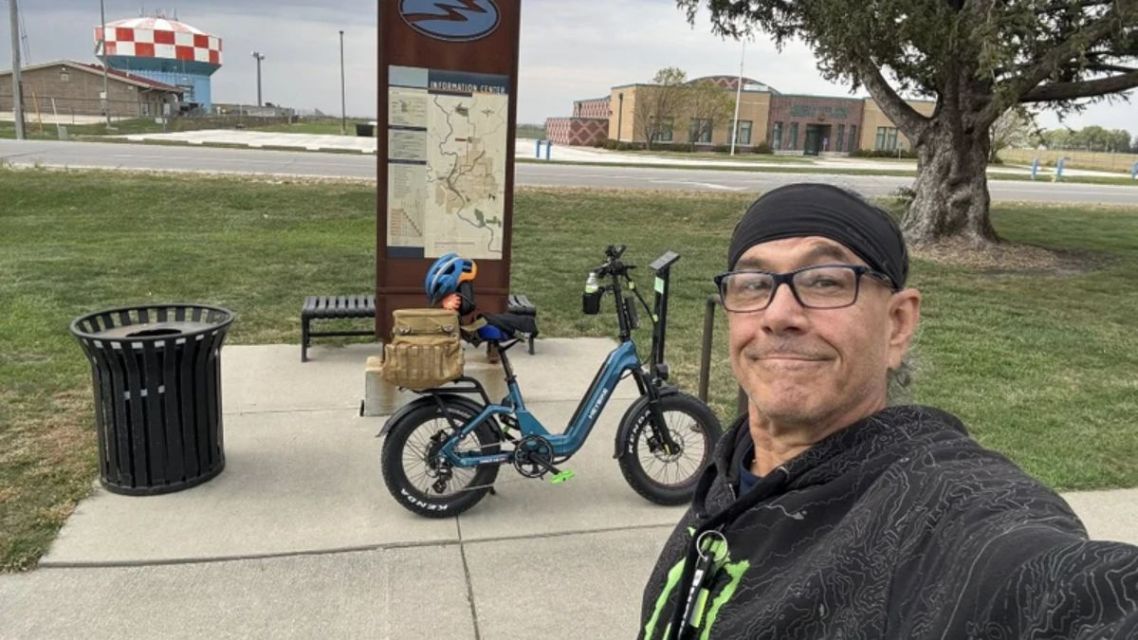
Running a delivery fleet involves more than purchasing vehicles. Businesses must also account for fuel, maintenance, insurance, parking, and other recurring expenses. These costs can add up, particularly for companies that operate multiple vehicles across busy urban areas.
Electric bikes can help reduce some of these expenses.
Unlike gasoline-powered delivery vehicles, e-bikes use rechargeable batteries. Charging from a standard electrical outlet can be less expensive than regularly purchasing fuel, although actual savings depend on local electricity prices, battery capacity, usage patterns, and charging frequency.
Maintenance requirements can also be different. Electric bikes do not require engine oil changes, fuel filters, or exhaust system repairs. However, they still need regular servicing. Brakes, tires, chains, batteries, and electrical components should be inspected to keep the bikes operating reliably.
Businesses should also consider battery replacement costs and the availability of spare parts when evaluating the long-term value of an e-bike fleet.
For companies handling frequent short-distance deliveries, these factors may make electric bikes a cost-effective addition to their existing transportation options.
When comparing options, businesses can explore brands such as Heybike to get a better idea of the electric bike models available. The right choice should ultimately depend on practical considerations such as battery range, motor performance, rider comfort, and the type of cargo being transported.
4. Supporting More Sustainable Delivery Operations
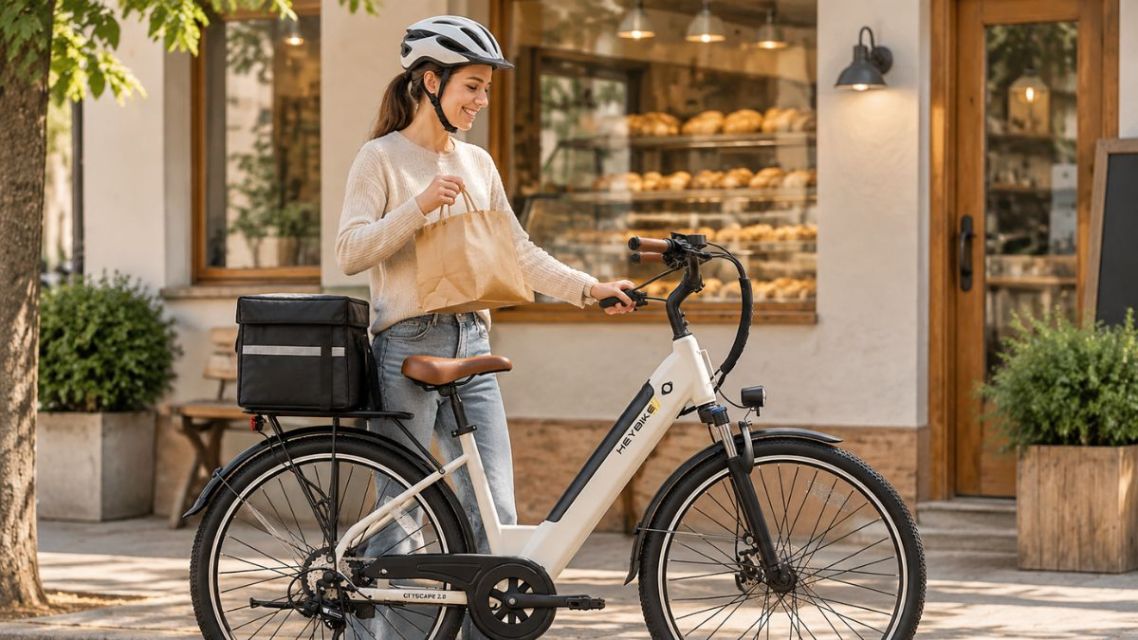
Environmental concerns are becoming increasingly important in the logistics industry. As cities work to improve air quality and reduce transportation emissions, businesses are under growing pressure to consider cleaner delivery options.
Electric bikes can support these efforts, especially when used for short-distance trips that might otherwise require a gasoline-powered vehicle.
Because e-bikes have no tailpipe emissions during operation, they can help reduce direct air pollution in the areas where deliveries take place. Their smaller size and lower energy requirements can also make them a useful option for businesses looking to reduce the environmental impact of last-mile transportation.
However, it is important to understand that electric bikes are not entirely emission-free throughout their lifecycle. Battery production, electricity generation, manufacturing, and disposal all have environmental impacts.
Even so, replacing some short urban delivery trips with e-bikes can contribute to lower operational emissions, depending on the vehicles being replaced and the electricity used for charging.
For businesses pursuing sustainability targets, electric bikes can be one part of a broader strategy that includes route optimization, efficient packaging, and better fleet management.
5. Improving the Daily Experience of Delivery Couriers
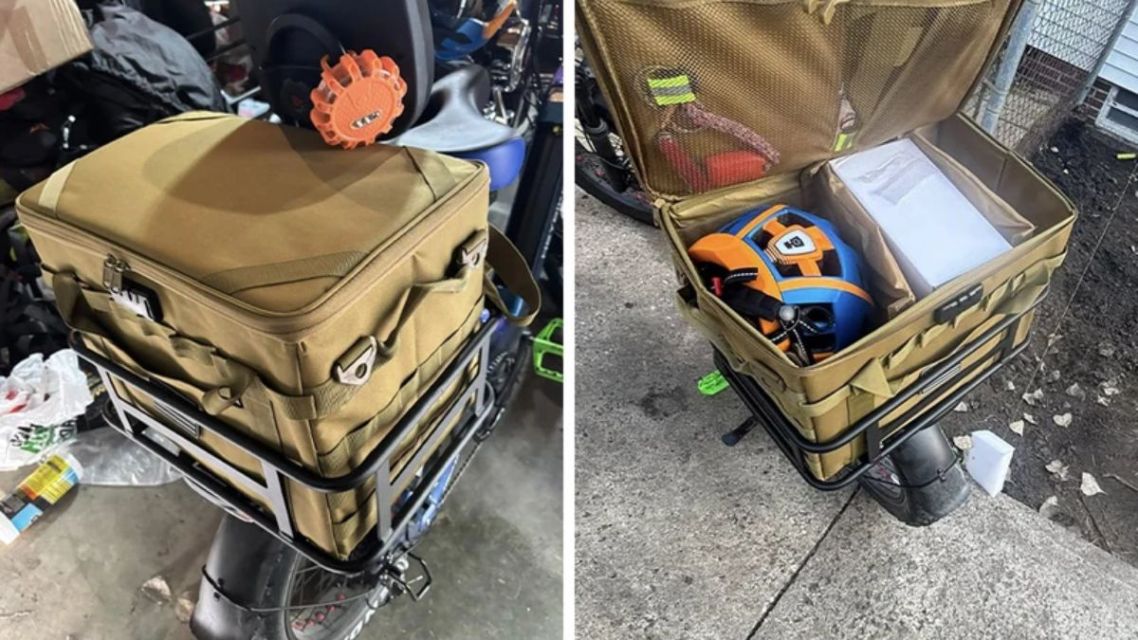
Delivery work can be physically demanding, especially for couriers who spend long hours navigating busy streets and completing multiple stops. Electric bikes can make some aspects of this work more manageable.
Their pedal-assist systems provide additional power when riders pedal, helping reduce the effort required to travel uphill or carry heavier loads. This can be particularly useful when completing several deliveries throughout the day.
E-bikes may also give couriers more flexibility when navigating urban environments. Rather than relying entirely on motor vehicle routes, riders can use suitable cycling infrastructure and access certain areas more easily, subject to local regulations.
However, electric bikes do not eliminate the risks associated with road travel. Couriers still need appropriate safety equipment, including helmets where required, visible clothing, functioning lights, and reliable brakes. Employers should also provide rider training and establish safe delivery procedures.
Good cycling infrastructure, reasonable delivery schedules, and properly maintained bikes are equally important for creating a safer and more comfortable working environment.
Are Electric Bikes Suitable for Every Delivery Business?

Although electric bikes offer several advantages, they are not the right solution for every delivery operation.
They are generally better suited to businesses that handle smaller shipments, operate within relatively short distances, and make frequent stops in congested areas. Food delivery services, local grocery stores, pharmacies, and courier companies handling documents or small parcels may find them particularly useful.
On the other hand, traditional delivery vans remain more practical for transporting bulky goods, handling large orders, or covering long-distance routes. Weather conditions, road infrastructure, local regulations, and battery range can also affect whether e-bikes are suitable for a particular business.
For this reason, companies do not necessarily need to replace their entire vehicle fleet. A mixed approach can be more practical: use electric bikes for short urban routes and reserve vans for larger shipments or deliveries that require greater carrying capacity.
The Future of Electric Bikes in Urban Delivery
Electric bikes are becoming a practical option for businesses looking to make urban deliveries more flexible and efficient. Their compact design, pedal-assist technology, and specialized cargo configurations make them useful for moving smaller shipments through crowded city environments.
They can also help businesses manage certain operating expenses and reduce direct emissions from delivery vehicles. However, their effectiveness depends on choosing the right model, understanding local regulations, and matching the bike’s capabilities to the demands of each delivery route.
Rather than replacing traditional delivery vehicles entirely, electric bikes are best viewed as another tool in the urban logistics system. For businesses with the right delivery needs, adding e-bikes to an existing fleet could be a worthwhile step toward more efficient last-mile operations.
ADVERTISEMENTS
Artikel Bermanfaat dan Menghibur Lainnya




Tim Dalam Artikel Ini



Senior content writer - Wordsmith with 10 years experience. I do write everything; lifestyle, technology, finance, economic, entertainment, business, viral things, etc. Business inquiries: 0895422334529