

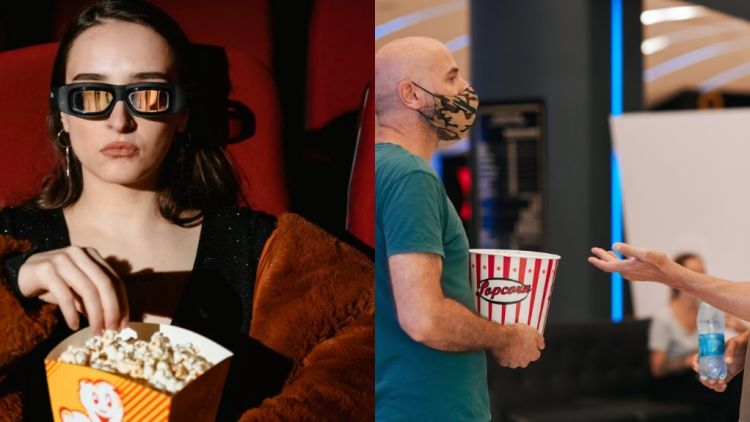
The best conversation I had last month began with a terrible film.
It was a late screening on a wet Friday, and by the final scene the audience had become unusually quiet. Not moved. Defeated. The plot had introduced a mysterious key, forgotten it for almost an hour, and then brought it back as if we were supposed to applaud. When the lights came on, everyone reached for a phone or a jacket.
Outside the theater, a woman behind me said, “I think the key had a better character arc than the hero.”
I laughed. A student waiting for his ride joined in. Then another person defended the ending with such confidence that the rest of us stopped walking. For the next fifteen minutes, five strangers stood under a narrow awning and argued about a film none of us would recommend. We did not exchange names. We did not need introductions. The movie had already given us something to do together.
I thought about that conversation longer than I thought about the film. Meeting somebody new is supposed to begin with information: Where are you from? What do you do? What kind of person are you? Yet the easiest meetings often begin somewhere less direct. They begin with a song playing too loudly, a game that cheated, or a movie ending that makes no sense.
“Tell me about yourself” is a surprisingly difficult request
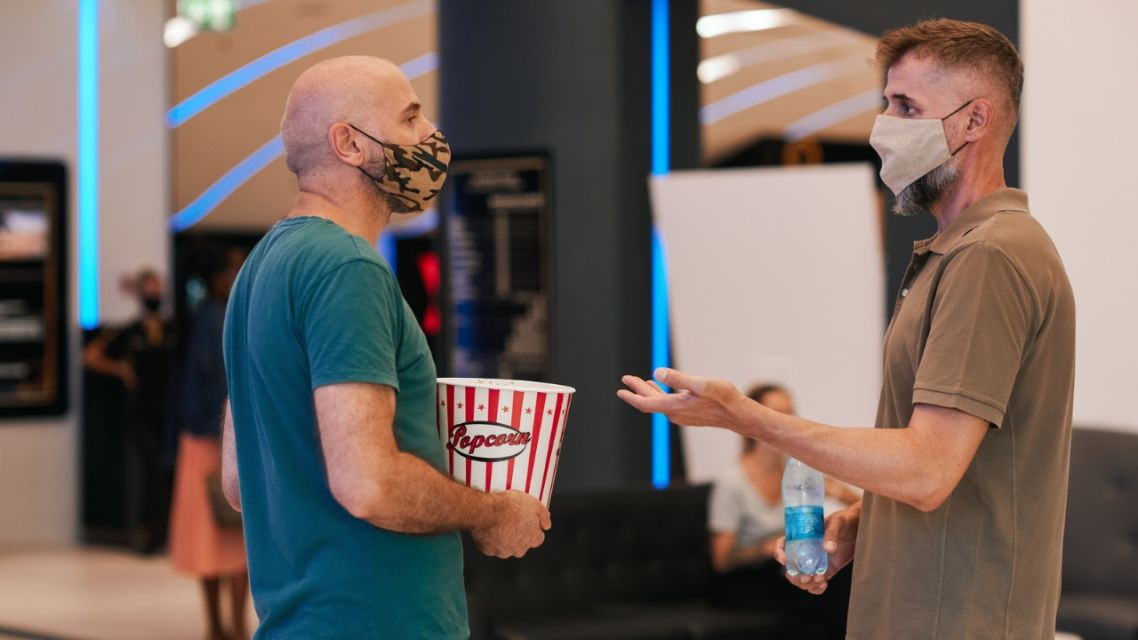
Bad movies, good conversations-canva via canva.com
There is nothing rude about asking someone what they do. I ask it too. The trouble is that the question quietly hands the other person a job: choose a version of yourself that is short, interesting and safe enough for a stranger.
I am never good at that job. If I describe my work, I hear myself turning into a profile page. If I mention a hobby, I wonder whether it sounds genuine or selected for the occasion. By the time I have found an answer, the conversation already feels like a small interview.
A shared piece of entertainment removes some of that pressure. We can look at the same thing instead of looking directly at each other. “Which scene annoyed you?” is easier than “What are you like?” There is already something on the table, so neither person has to produce an instant personality.
Bad movies are especially useful because they leave loose pieces everywhere. A perfect film can end with a satisfied nod. A messy one creates work for the audience. We rewrite scenes, defend actors, complain about wasted ideas and invent the version we wish we had watched. Every answer gives the next person something to pick up.
The same pattern appears around games and music. Two people may have little to say after discovering that they both play the same game. Ask which mission they would delete forever, however, and suddenly there is a story. Music works that way too. The name of a genre may not lead anywhere, but the embarrassing song somebody still knows by heart usually comes with an explanation.
Disagreement can be easier than trying to impress each other
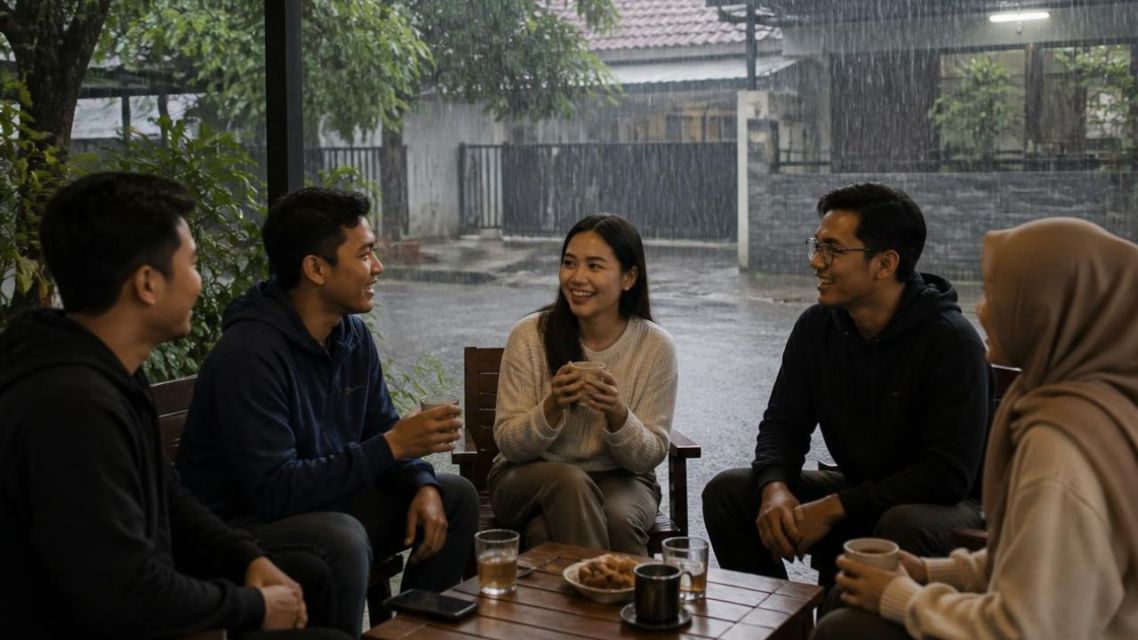
A bad movie sparks a conversation-canva via canva.com
The woman outside the theater liked the lead actor. I thought he had delivered every line as though someone had just woken him up. Neither opinion was important, which was exactly why the disagreement felt good.
When people first meet, they often search too hard for agreement. We mirror a preference, soften an opinion or pretend to recognize a band because harmony seems safer. But complete agreement gives a conversation very little movement. A small, harmless difference creates curiosity: What did you see that I missed?
Entertainment offers a place to practice that curiosity without turning the exchange into a fight about identity. I can dislike your favorite sequel without rejecting you. You can laugh at the character I took seriously. If we listen well, the disagreement reveals more than a list of shared favorites would. It shows whether someone can explain a feeling, change their mind, tease without being cruel and let another person finish a thought.
This works best when the subject stays playful. Nobody needs to win or produce the smartest review in the group. Sometimes the whole conversation turns on an ordinary sentence: “Really? I saw it completely differently.”
That invitation matters online, where a casual opinion can feel strangely permanent. In a public comment section, I often rewrite a sentence three times before deleting it. A remark aimed at one person can be read by hundreds, screenshotted without context or judged long after the original exchange has ended. What felt light in my head starts to sound like a public statement.
A private one-to-one chat with strangers changes the size of the room. If a joke falls flat, it falls flat in front of one person. If an opinion comes out badly, the next sentence can repair it. That does not guarantee chemistry, kindness or even a second minute of conversation. It simply makes an unfinished thought easier to offer.
ADVERTISEMENTS
We often reveal personal things from the side
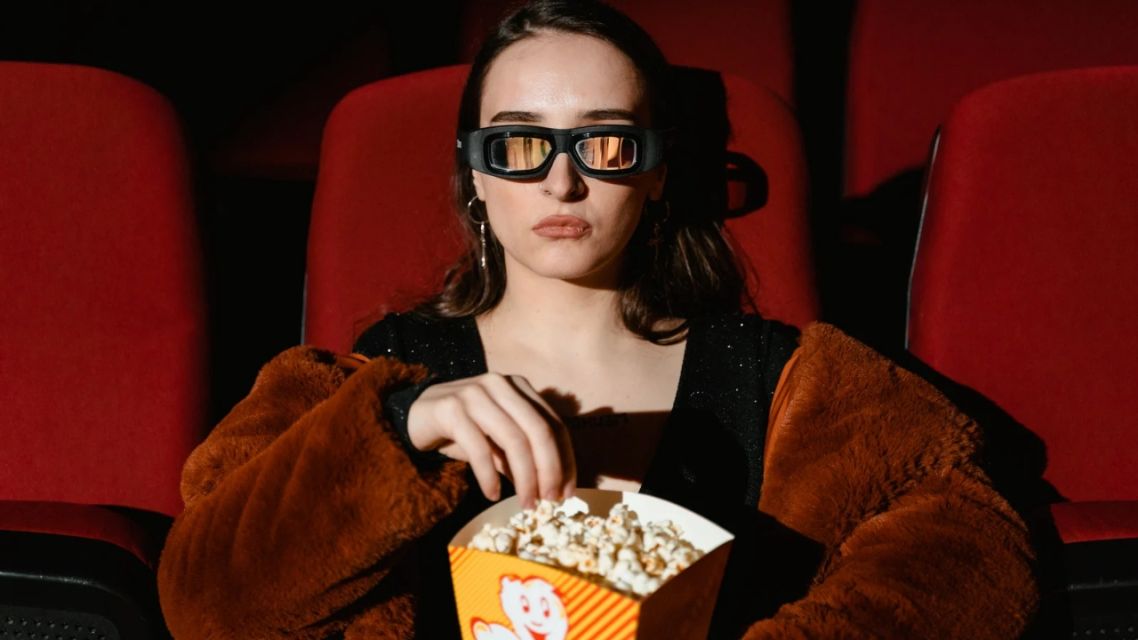
Watching bad movie alone-canva via canva.com
About ten minutes into our movie argument, the student said the hero’s indecision had bothered him because he had spent the entire week avoiding a difficult phone call. Nobody had asked about his life. He arrived there through the plot.
This is what stories let us do. They give us a little cover while we decide how much of ourselves to show. “That character looked lonely” can remain a comment about a character. It can also become, carefully, “I know that feeling.” The other person can stay with the movie or follow the conversation one step closer. There is no demand for a confession.
I have seen the same turn happen with television. A complaint about an overexplained joke becomes a memory of the old sitcom somebody watched after moving to a new city. The personal detail arrives almost by accident. If the conversation had opened with a question about loneliness, it probably would not have arrived at all.
That is why a specific prompt usually works better than a broad category. “Do you like films?” can end with yes. “Which movie did everybody love except you?” is harder to answer without offering at least a little personality. “What music do you like?” asks someone to summarize years of taste. Asking about the song they never skip is smaller and easier.
It does not have to lead anywhere deep. Sometimes a film remains a film, and the conversation is just ten enjoyable minutes. We tend to measure new connections by what they become: a friendship, a date, a useful contact. A brief exchange that asks for nothing afterward can still improve an evening.
A good beginning needs an easy exit

One movie two opinion-canva via canva.com
Shared interests are helpful, but they are not magic. I have met people who loved exactly the same games I did and answered every question with one word. I have also spent an hour talking to someone whose favorite film I could barely tolerate. The subject gets two people started. What happens after that depends on the people.
Online, it is tempting to prepare for every awkward possibility with a longer profile and another list of interests. Some choices do matter, especially the choice of how to communicate. On the public homepage, Knotchat presents text chat and video chat as separate ways to begin. Typing gives a person more time to find a subject; video makes the meeting more immediate. Neither format can supply chemistry, but choosing between them can make the first moment feel less arbitrary.
After that comes ordinary human uncertainty. Sometimes the other person is rude. More often, the conversation is simply flat, even when both people chose the same subject and arrived with good intentions. Nobody has failed because two strangers do not want a second topic.
An easy exit is part of what makes an easy beginning possible. A hello feels less demanding when it does not arrive with an obligation to make the exchange work. Sometimes people find a reason to keep talking. Sometimes they do not. Both outcomes are normal.
When our group outside the theater finally separated, the woman who had started everything looked back at the poster and said, “I still think the key deserved its own sequel.” Then she ran through the rain toward a waiting car.
I never learned her name. I still would not watch the film again. But for fifteen minutes, five people who had arrived alone left the story together. The movie failed at almost everything it attempted, and somehow it succeeded at that.
ADVERTISEMENTS